


Three Interesting facts
1. Worries about severe crises and challenges are associated with poor mental health.
2. Mental illnesses place a significant burden on the healthcare system.
3. Digital health may shape the future.
1. Are crises and challenges associated with anxiety and depression?

Photo: adobestock
Fear of war
Fear of war is associated with a higher likelihood of depression and anxiety. Reasons could be concerns about friends and relatives, feelings of powerless, death anxiety, and pessimism (negative outlook for the future). In mid-March 2022, almost every second person in Germany (particularly women) experienced severe fear.

Photo: adobestock
Fear of AI
There is a moderate to rather high level of concern or fear about AI. Most affected are women, young adults (18-29), older adults (60+) and individuals with low education. People with fear of AI (e.g. job displacement, socio-technical blindness) are more likely to have anxiety and depressive symptoms.

Photo: adobestock
On the whole, climate anxiety is not very high
A comparison of various socioeconomic groups showed higher levels of climate anxiety among younger adults aged 18-29 ys (vs 65-74 ys), full-time employees (vs retired individuals), individuals without chronic conditions (vs those with at least one). People with fear of climate change are more likely to suffer from depression and axiety.

Photo: adobestock
Loneliness contributes to anxiety and depression
What could help prevent loneliness and social isolation: marriage, dog ownership, physical activity, sufficient income, cultural activities, volunteering, socializing with neighbors; for older people: looking after grandchildren, use of social media, devices for sensory impairments such as hearing aids.
2. The costs associated with mental illness are high
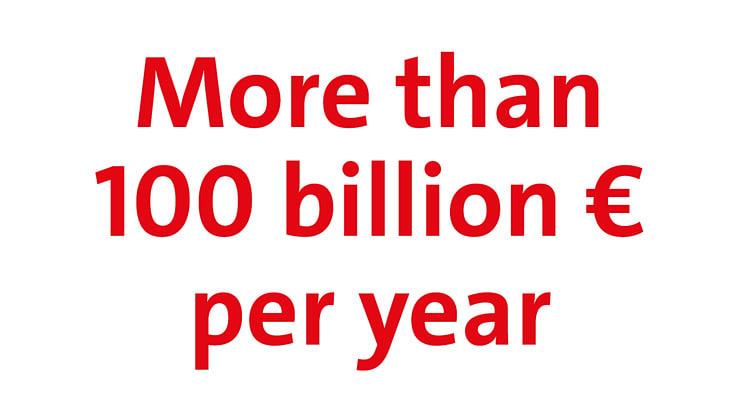
Photo: HCHE
Total costs in Germany
According to an OECD report, the healthcare costs associated with mental disorders in Germany are estimated to have exceeded 100 billion euros in 2015. The total costs consist of direct costs (1.4% of gross domestic product GDP) and indirect costs (2.0% of GDP).
(Data from 2015, OECD Report 2018)
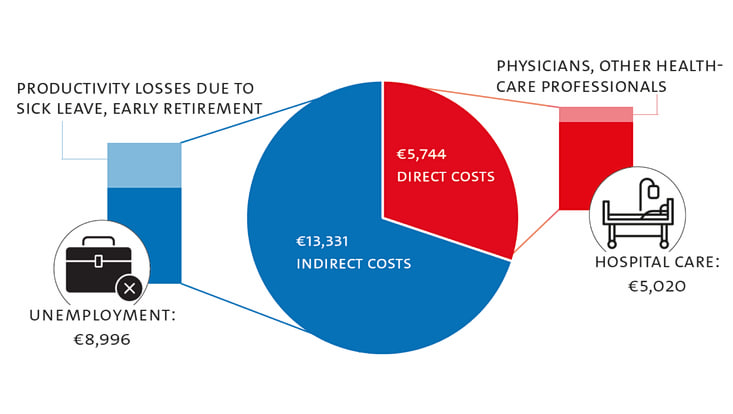
Photo: HCHE
Direct and indirect costs
According to a current research project at the University Medical Center Hamburg-Eppendorf (UKE), total 6-month costs for patients suffering from mental disorders were €19,075 higher compared to individuals with no mental disorders. These excess costs ranged from €6,123 to €31,883, depending on severity level.

Photo: HCHE
How can treatment become more cost-effective?
A stepped, evidence-based and integrated care model could reduce total costs by 22% (direct costs: -25%; indirect costs: -17%). Under this model, patients of all severity levels are treated within a cross-sectoral, multi-professional, and interdisciplinary managed care network.
(SMI = severe mental illness)
3. Is the future of mental health care digital?
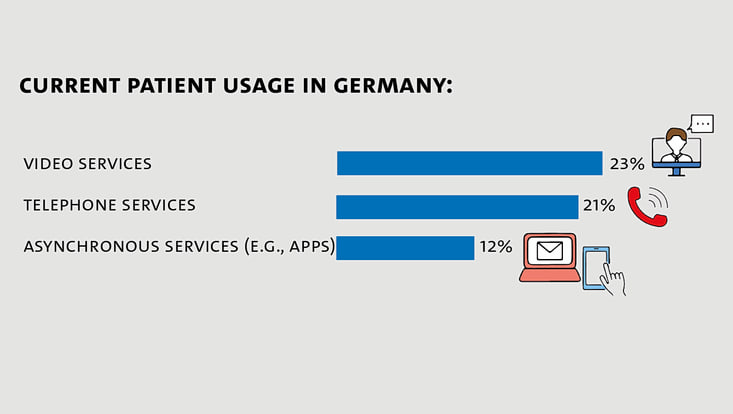
Photo: HCHE
Advantages of telemedicine
While in-person care is still preferred, remote mental health services (including telemedicine and digital tools) are expanding rapidly. They can not only save costs, but also improve access by addressing structural and stigma-related barriers, thereby helping to close critical treatment gaps.

Photo: HCHE
Who uses telemedicine?
Mental health patients who use telemedicine are more likely to: be younger (least usage among individuals aged 60+), have more positive attitudes toward these services and are more likely to get treated by therapists with more positive attitudes toward and greater skills in using these services.
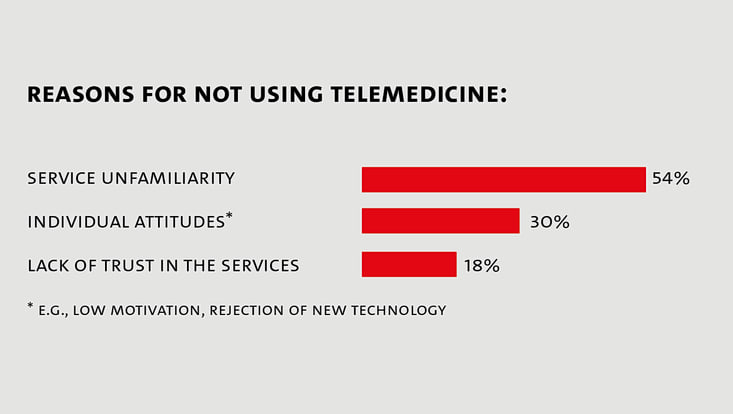
Photo: HCHE
Increase service use
The lack of use of telemedicine is less due to a lack of patient skills and more driven by a lack of information and trust, as well as negative attitudes. Therefore, targeted efforts to dispel prejudices and improve public education are recommended.
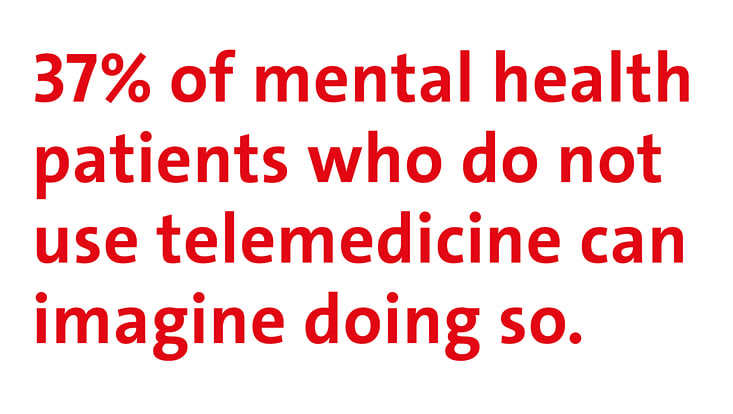
Photo: HCHE
Great potential
To fully realize the potential of telemedicine in mental health care, services should be promoted and their strengths communicated more effectively. Individual patient characteristics and preferences should be considered, and therapists should receive more intensive training and support in using these services (gatekeeper role).
What can you do against loneliness?

Photo: adobestock
Laughter connects people
Real laughter connects people. However, laughing in a virtual setting (e.g., online) cannot replace that sense of connection.